
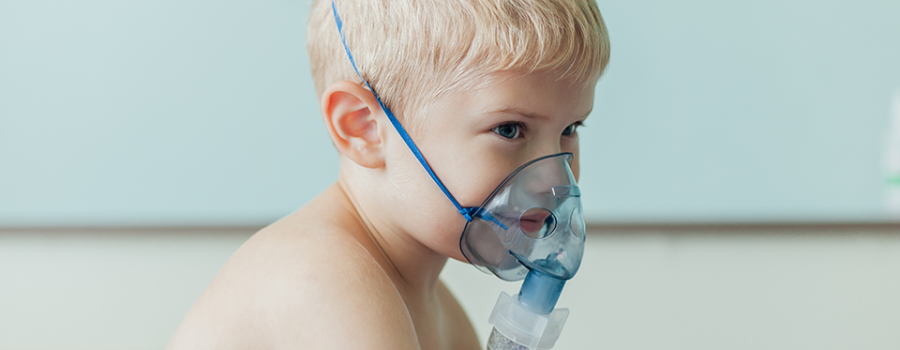
Respiratory syncytial virus, commonly called RSV, is a respiratory virus that often causes mild, cold-like symptoms. RSV is very common, and most children recover on their own. However, RSV can sometimes cause more serious illness, particularly in infants and young children.
Knowing the symptoms and when to contact your child’s healthcare provider can help you feel more prepared.
RSV symptoms often begin like a common cold and may appear gradually rather than all at once.
Common symptoms can include:
Runny nose or congestion
Cough
Sneezing
Fever
Decreased appetite
Wheezing
Very young infants may show different symptoms, including irritability, decreased activity, difficulty feeding or changes in their breathing.
Because RSV can look similar to other respiratory illnesses, contact your child’s healthcare provider if you are concerned about their symptoms.
Most children with RSV recover without complications. However, RSV can sometimes lead to more serious respiratory illnesses, including bronchiolitis or pneumonia.
Infants and some young children have a greater risk of developing severe RSV illness. Risk may be higher for:
Very young infants
Children born prematurely
Children with chronic lung disease
Children with certain heart conditions
Children with weakened immune systems
Some children with other underlying health conditions
If you are unsure about your child’s individual risk, talk with your pediatric healthcare provider.
You know your child best. Contact your healthcare provider if you are concerned about your child’s symptoms or if their condition is getting worse.
Seek medical care promptly if your child:
Is having difficulty breathing
Is not drinking enough fluids
Shows signs of dehydration
Has symptoms that are becoming more severe
Is unusually sleepy, less active or difficult to wake
For severe breathing difficulty or another medical emergency, call 911.
There are now options that can help protect babies from severe RSV illness.
Depending on your baby’s age, health and whether an RSV vaccine was received during pregnancy, your healthcare provider may recommend an RSV immunization for your baby. Most infants do not need both maternal vaccination and an infant RSV immunization.
Your healthcare provider can help determine which RSV prevention option is appropriate for you and your baby.
Everyday habits can also help reduce the spread of respiratory viruses. Wash hands frequently, cover coughs and sneezes, clean frequently touched surfaces and avoid close contact with others when they are sick.
If your baby or child is experiencing respiratory symptoms or you are concerned about RSV, our Pediatrics team is here to help.
Call Eastern Iowa Health Center at 319.730.7300 to speak with our team or schedule an appointment.