Healthy choices for you and your growing baby.
Eating well during pregnancy helps provide the nutrients your body needs while supporting your baby’s growth and development. You don’t need a perfect diet or a completely different way of eating—but pregnancy is a good time to focus on a variety of nutritious foods and a few additional food-safety precautions.
Your individual nutritional needs may be different depending on your health, pregnancy and dietary needs. Your Eastern Iowa Health Center Women’s Health provider can help answer questions and make recommendations for you.
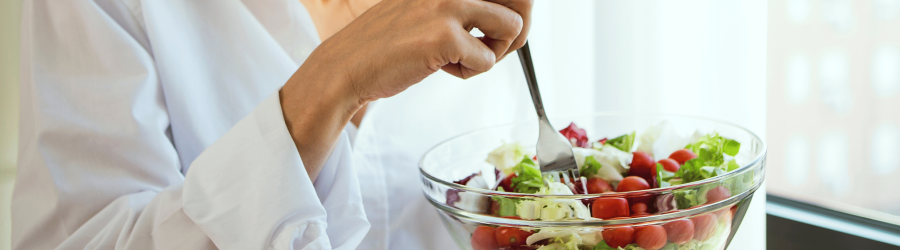
Aim for a balanced diet that includes foods from a variety of food groups, including:
Fruits and vegetables
Whole grains
Lean meats and poultry
Eggs
Beans, peas and lentils
Nuts and seeds
Pasteurized milk, yogurt and cheese
Lower-mercury fish and seafood
Healthy fats
Eating a variety of foods can help you get the protein, vitamins, minerals and other nutrients you and your baby need.
A healthy diet is important, but it can be difficult to get every nutrient you need from food alone.
Your healthcare provider will likely recommend a prenatal vitamin before and during pregnancy. Prenatal vitamins commonly provide nutrients that are especially important during pregnancy, including folic acid and iron.
Folic acid is particularly important before and during early pregnancy because it helps reduce the risk of certain serious birth defects involving the baby’s brain and spine.
Talk with your Women’s Health provider about which prenatal vitamin and supplements are appropriate for you.
Most foods are safe to enjoy during pregnancy, but pregnancy can make you more vulnerable to certain foodborne illnesses. A few foods should be avoided or prepared differently to reduce risk.
Avoid raw or undercooked:
Meat
Poultry
Fish and shellfish
Sushi or sashimi containing raw fish
Raw oysters, clams and scallops
Eggs that are not fully cooked or foods containing raw or undercooked eggs
Cook meat, poultry, seafood and eggs thoroughly to reduce your risk of foodborne illness.
Avoid unpasteurized milk, cheese, juice and other products.
Check labels on cheese and dairy products to make sure they are made with pasteurized milk.
Some refrigerated foods can carry Listeria, a bacteria that can cause serious illness during pregnancy.
Follow current food-safety recommendations for deli meats, hot dogs, refrigerated smoked seafood and similar ready-to-eat foods. Some of these foods can be eaten safely when reheated thoroughly.
Avoid raw sprouts such as alfalfa, clover, radish and mung bean sprouts. Cooking sprouts thoroughly reduces the risk of illness.
Fruits and vegetables are an important part of a healthy pregnancy diet—just wash them thoroughly under running water before eating, cutting or preparing them.
Do not use soap or bleach to wash produce.
Yes!
Fish can be an important part of a healthy pregnancy diet. It provides protein, healthy fats and nutrients that support your baby’s growth and development.
Choose a variety of fish that are lower in mercury and make sure seafood is fully cooked.
Pregnant and breastfeeding women are generally encouraged to eat 8–12 ounces of lower-mercury fish per week, or about two to three servings.
Some fish contain higher levels of mercury and should be avoided during pregnancy. Ask your healthcare provider or use current FDA guidance to help you choose fish that are safe to eat.
You don’t necessarily have to give up your morning coffee during pregnancy, but caffeine should be limited.
Remember that caffeine isn’t only found in coffee. Tea, soda, energy drinks, chocolate and some medications can also contain caffeine.
Talk with your Women’s Health provider about how much caffeine is appropriate for you during pregnancy.
There is no known safe amount of alcohol during pregnancy.
Avoid beer, wine, liquor and other alcoholic beverages while pregnant. If you have questions or concerns about alcohol use during pregnancy, talk openly with your healthcare provider. We’re here to help you get the care and support you need.
Simple food-safety habits can help protect you and your baby:
Wash your hands before preparing or eating food
Keep raw meat and seafood separate from other foods
Cook foods thoroughly
Wash fruits and vegetables under running water
Refrigerate perishable foods promptly
Keep your refrigerator at a safe temperature
Avoid foods that have been sitting at room temperature too long
Pay attention to food recalls and safety notices
Tell your healthcare provider if you:
Follow a vegetarian or vegan diet
Have food allergies or intolerances
Have severe nausea or vomiting
Are having difficulty eating or keeping food down
Have diabetes or another medical condition that affects your diet
Are concerned about gaining too much or too little weight
Have questions about supplements, herbal products or vitamins
Your healthcare team can help make sure you and your baby are getting the nutrition you need.
Pregnancy comes with plenty of advice about what you should and shouldn’t eat—and it can become confusing quickly.
Bring your questions to your prenatal appointments. Your Eastern Iowa Health Center Women’s Health team can help you separate fact from fiction and make food choices that work for your health, pregnancy, culture, preferences and budget.
Call Eastern Iowa Health Center at 319.730.7300 to schedule an appointment with our Women's Health team.
SCHEDULE A WOMEN'S HEALTH APPOINTMENT